

Every time you pick up your smartphone, hop into your electric vehicle, or plug in your laptop, you’re tapping into something most of us rarely think about: cobalt. It’s one of the unsung heroes of our modern tech-driven lives. But there’s a much bigger, messier story behind it—a global tug-of-war that could spell trouble for North American companies and the smooth-running supply chains that power our everyday tech.
Why Should We Care About Cobalt?
Cobalt plays a critical role in the rechargeable batteries that power pretty much everything we rely on, from our phones to the electric vehicles (EVs) zipping down the highway. Without cobalt, the clean energy movement would take a huge hit. And here’s where it gets tricky: nearly 70% of the world’s cobalt comes from one place—the Democratic Republic of Congo (DRC).
If the name “Congo” makes you think of political instability, corruption, and conflict, you’re not wrong. The DRC’s history is tangled in decades of turmoil, and the demand for cobalt has added another layer of complexity. In North America, companies are finding themselves caught in the middle of a global scramble for this critical resource.
The Problem for North American Supply Chains
The truth is, North America’s supply chains for cobalt are far from secure. Most of the cobalt that ends up in the U.S. and Canada doesn’t just come from the DRC—it also gets refined in China, which currently dominates the cobalt refining market. In fact, China controls over 80% of the world’s cobalt refining. So while the West is focusing on ramping up production of renewable energy, EVs, and tech, it’s also become more vulnerable to geopolitical risks that could suddenly cut off or slow down access to cobalt.
Imagine this scenario: a flare-up of conflict in the DRC or new tensions with China, and suddenly, cobalt shipments slow to a trickle. Production delays for electric vehicles? Check. Higher costs for smartphones and laptops? You bet. It’s a supply chain nightmare waiting to happen, and North American companies are trying to figure out how to avoid it.
A Global Chess Match Over Resources
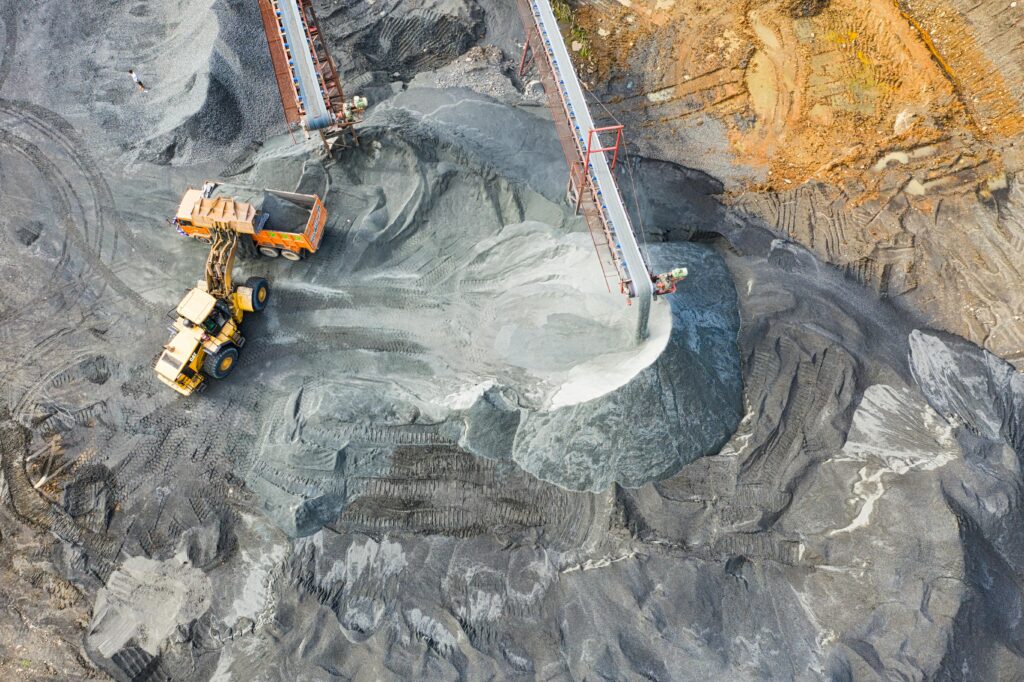
The U.S. and its allies are acutely aware of how dependent they are on cobalt from risky regions, and they’re scrambling to diversify. There’s been a push to develop new mining projects in North America and Australia, and even to explore recycling old batteries to extract cobalt. But let’s be real—those efforts are still in their early days, and it’s going to take years before they can make a significant dent in our reliance on African cobalt.
In the meantime, North American companies are in a delicate position. On one hand, they need to secure long-term cobalt supplies to keep pace with the growing demand for clean energy technologies. On the other hand, they’re facing pressure to ensure the cobalt they’re using is sourced ethically, especially with increasing awareness around the labor abuses in the DRC, including child labor and dangerous working conditions.
The Human Cost of Cobalt
Behind the cobalt we use every day, there’s a grim reality playing out in the Congo. Reports of human rights abuses, environmental destruction, and child labor have plagued the region for years. And while some companies are trying to do the right thing by pledging to only use responsibly sourced cobalt, it’s not always easy to trace where the cobalt actually comes from once it enters the global supply chain.
Consumers and investors are starting to take notice. Ethical sourcing is no longer just a “nice-to-have” but a necessity for companies looking to maintain a positive image. But fixing the cobalt supply chain is no small task. It’s a tangled web of politics, economics, and human rights that’s been decades in the making.
What’s Next for North America?
As the cobalt demand keeps surging, North American companies will have to get creative if they want to protect themselves from supply chain risks. We’ll likely see more investments in domestic mining, as well as greater emphasis on recycling old batteries to reclaim cobalt. Companies may also start to explore alternative materials that could one day replace cobalt in batteries, though that’s still a long way off.
For now, cobalt is irreplaceable. And as long as the DRC remains the cobalt kingpin, North American businesses will need to walk a tightrope between keeping their supply chains running smoothly and addressing the human and geopolitical challenges tied to this vital resource.
Sources:
- U.S. Geological Survey, Cobalt Statistics
- International Energy Agency, Cobalt Demand and Supply Chain Report 2023
- World Bank, Democratic Republic of Congo Mining Industry Report 2024
- Global Battery Alliance, Responsible Cobalt Initiative Data 2024