

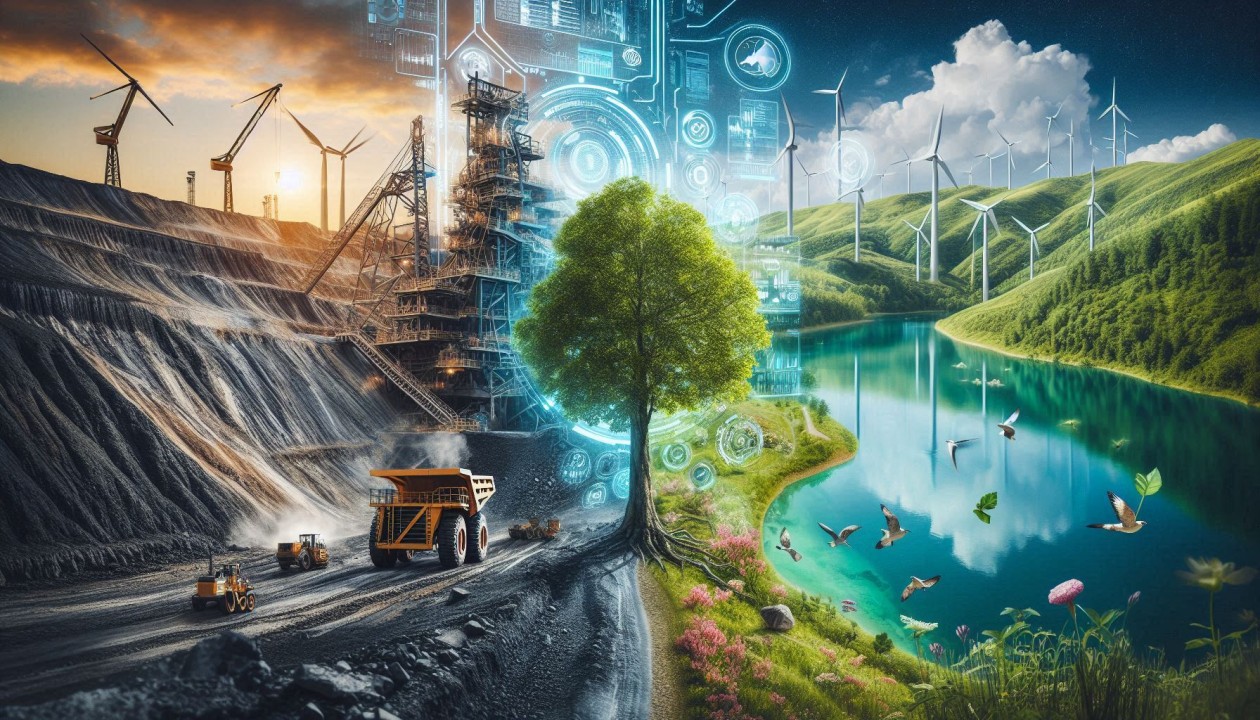
The demand for minerals and metals is skyrocketing, fueled by the rise of electric vehicles (EVs) and renewable energy. Lithium, copper, cobalt, and similar resources are crucial for a greener economy, but it’s no longer just about how much we extract—it’s about how we do it. The focus has shifted to the environmental and social impacts of mining, as well as its long-term sustainability.
Unchecked resource extraction is becoming a thing of the past. Consumers, investors, and regulators now expect mining companies to prioritize ethical sourcing and align with Environmental, Social, and Governance (ESG) standards. Those that don’t risk losing not only their legal standing but also public trust.
The Growing Demand for Ethically Sourced Minerals
In the past few years, the call for responsibly sourced minerals has grown louder. According to a 2023 McKinsey report, more than 70% of global consumers are willing to pay a premium for sustainably produced products, a trend that extends to everything from smartphones to electric vehicles. These products rely heavily on key minerals like lithium, cobalt, and nickel—resources that have traditionally been associated with harmful environmental impacts and, in some cases, severe human rights abuses, particularly in regions like Africa and South America.
The booming demand for electric vehicles, for example, underscores the need for these ethically sourced minerals. The International Energy Agency predicts that the global market for lithium will increase by nearly 40 times by 2040. Yet the extraction of these minerals is often tied to troubling practices, including unsafe working conditions, child labor, and environmental degradation. This has pushed companies to address these ethical concerns and rethink how they source and extract essential materials.
In North America, the push for ethically sourced minerals is particularly strong, with companies feeling pressure from both consumers and governments to clean up their supply chains and adopt more responsible practices.
North American Mining Companies Answering the Call
Several North American mining companies are taking steps to meet the rising demand for ethical mining practices. While the transition is complex, the industry is beginning to show that it can change for the better—especially in response to ESG expectations.
Barrick Gold, one of the world’s largest gold producers, has committed to reducing its greenhouse gas emissions by 30% by 2030, with the ultimate goal of achieving net-zero by 2050. In addition to addressing climate impacts, Barrick has focused on water conservation and biodiversity protection, especially in regions where water scarcity is a critical concern. At its Nevada operations, for example, the company has implemented closed-loop water systems to reduce water consumption.
Similarly, Teck Resources, a major producer of copper, zinc, and steelmaking coal, has set ambitious sustainability targets. Teck has committed to being carbon-neutral by 2050 and is actively working to electrify its operations, including the introduction of electric trucks and renewable energy sources at its sites. Teck has also made significant strides in fostering partnerships with Indigenous communities, ensuring that local populations benefit from mining operations on their land. This focus on community engagement and long-term sustainability is helping to reshape the industry’s relationship with Indigenous peoples in Canada.
Moreover, technological advancements are playing a key role in driving these changes. The integration of artificial intelligence (AI), automation, and data analytics into mining operations is improving efficiency and reducing waste. Additionally, innovations like biomining—which uses microorganisms to extract metals from ores—offer exciting possibilities for lowering the environmental impact of resource extraction.
The Challenges of Ethical Mining
While progress is being made, the path to sustainable and ethical mining is not without its obstacles. Regulatory frameworks in North America, while more advanced than in other regions, are still evolving to fully address ESG demands. Compliance can be complex, as companies must navigate a web of local, national, and international regulations. Additionally, many of the technologies needed to make mining more sustainable, such as carbon-neutral processes and renewable energy integration, are still in their early stages and not yet scalable for large operations.
Social issues also pose a significant challenge. In Canada, for instance, mining projects often intersect with Indigenous lands, leading to complex legal and ethical debates around land rights and the distribution of benefits from mining activities. For mining companies, engaging meaningfully with Indigenous communities and addressing historical grievances requires more than just compliance with regulations—it demands a commitment to partnership and reconciliation.
The financial costs of transitioning to sustainable practices also cannot be ignored. For smaller mining companies, the additional expenses of adopting green technologies and meeting stringent ESG standards can be overwhelming. While larger corporations have the resources to invest in these changes, smaller firms may struggle to keep up, creating a divide between industry leaders and those lagging behind.
The Future of Mining: Sustainability as a Standard
As the global demand for minerals and metals continues to rise, so too will the pressure on mining companies to operate ethically and sustainably. The future of mining will not only be measured by the tonnage of resources extracted but by how those resources are sourced, the environmental and social impacts of extraction, and the long-term sustainability of the industry.
North American mining companies are uniquely positioned to lead this charge. With advanced technology, strong regulatory frameworks, and increasing consumer awareness, they have the tools to drive meaningful change in the sector. However, success will require innovation, collaboration, and a commitment to balancing the needs of the planet and people with the financial realities of resource extraction.
Mining is at a turning point. The companies that embrace ethical and sustainable practices today are not just securing their future—they are shaping the future of the industry and, by extension, the world.
Sources:
- McKinsey & Company, “Sustainability in Mining: Addressing the Rising Consumer Demand for Ethical Practices,” 2023.
- Barrick Gold Corporation, “2023 Sustainability Report.”
- Teck Resources, “2024 Sustainability Goals and Progress Report.”
- Deloitte, “Mining in a World of ESG: The Future of Ethical Resource Extraction,” 2023.