
Lithium is the buzzword of the moment, especially as electric vehicles (EVs) take center stage in the push toward cleaner energy. Often referred to as “white gold,” its value has surged as it becomes critical for the batteries that will power the future of transportation and energy storage. With the demand for EVs skyrocketing, the race is on to secure reliable lithium supplies. However, North America faces significant challenges in ramping up production, while navigating environmental concerns and ensuring mining operations are sustainable and socially responsible.
A Lithium Boom in the Making
As the global demand for EVs rises, so does the need for lithium. In 2022, lithium prices exploded, shooting up by 400%. Though prices have somewhat stabilized, the demand for lithium continues to climb. Experts predict that by 2030, the need for lithium will quadruple, driven by the exponential growth in electric vehicle production and renewable energy storage solutions.
North America, which has historically relied on foreign lithium, is now focused on tapping into its own deposits. Domestic lithium production is essential for reducing reliance on international supply chains and for ensuring that the region can meet the growing demand for EV batteries.
North America’s Push for Lithium Independence
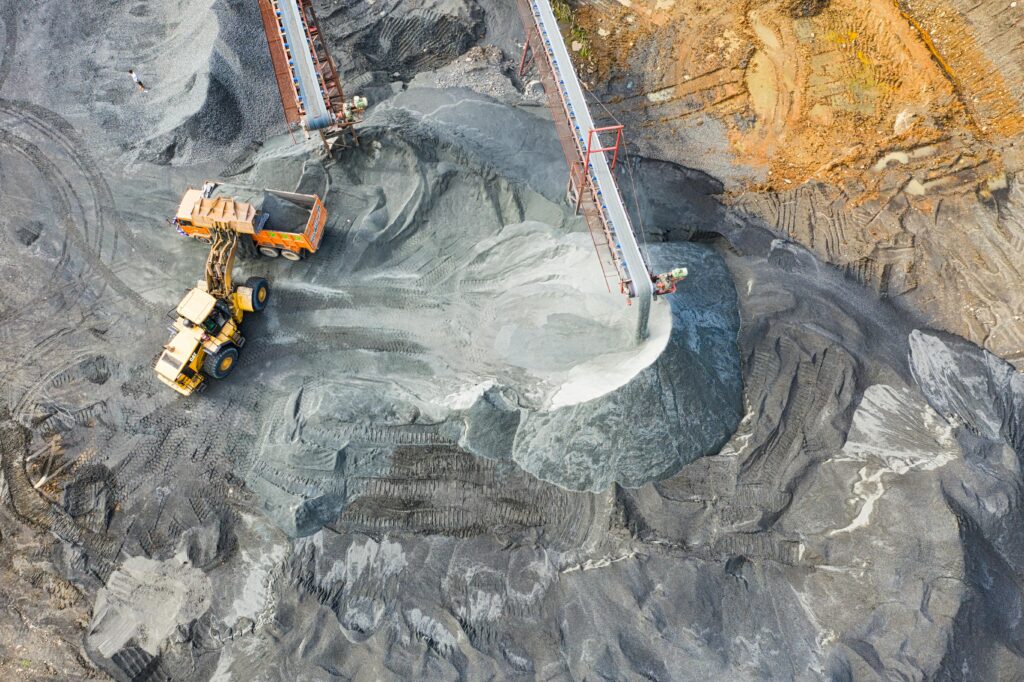
Several key projects are at the forefront of North America’s lithium push. The Thacker Pass project in Nevada, for example, is poised to become the largest lithium mine in North America. Once operational, it will produce enough lithium carbonate to power nearly 800,000 EVs per year. Backed by a $2.26 billion loan from the Department of Energy, Thacker Pass is a critical piece in the U.S.’s strategy to boost its domestic lithium supply and reduce its dependence on international sources.
In addition, Albemarle, the world’s largest lithium producer, is reopening its Kings Mountain mine in North Carolina. Once the mine resumes operations, it is expected to provide enough lithium for over a million EVs annually. Albemarle is also collaborating with companies like Caterpillar to introduce zero-emission mining equipment, underscoring the push for more sustainable mining practices.
Even oil giants like ExxonMobil have entered the lithium race. The company has begun drilling its first lithium wells in Arkansas and aims to become a leading supplier by 2030. With direct lithium extraction technologies, ExxonMobil’s project promises a more environmentally friendly way of accessing lithium compared to traditional hard rock mining methods.
Challenges on the Horizon
While the lithium boom is promising for North America’s energy future, it comes with significant challenges. Traditional lithium extraction methods are resource-intensive, requiring large amounts of water and causing significant environmental disruption. This has sparked fierce opposition, particularly from Indigenous groups and environmental activists concerned about the long-term impact on land and water resources.
In response to these concerns, companies are turning to innovative technologies. Thacker Pass, for example, is using “block mining,” which involves concurrent reclamation of mined land, minimizing the environmental footprint. Direct lithium extraction (DLE), employed by ExxonMobil in Arkansas, also offers a cleaner alternative, using fewer resources and reducing the environmental impact of mining.
Additionally, local communities are pushing for greater benefits from these mining projects. In Kings Mountain, local leaders are advocating for a fairer share of the wealth generated by Albemarle’s operations, emphasizing that the economic benefits should stay in the community rather than flow solely to corporate shareholders.
The Road Ahead: Balancing Growth with Sustainability
North America’s lithium production is expected to grow significantly over the next decade, playing a crucial role in the global transition to electric vehicles and clean energy. The region’s lithium resources will be key to building a stable and sustainable supply chain for EV batteries. However, the rush for lithium presents a delicate balancing act: North America must scale up production while mitigating the environmental impact and ensuring that local communities benefit from the economic growth.
With global demand for lithium expected to surge, North America’s role in the “white gold” rush will become even more critical. As the region navigates the challenges of increased production, environmental sustainability, and community engagement, its decisions will shape the future of energy and transportation for generations to come.
Sources:
- Nevada Appeal, “Thacker Pass could be largest lithium resource in North America.”
- Electrek, “North America’s largest lithium mine is full steam ahead.”
- Mining.com, “Albemarle, Caterpillar partner to bring zero-emissions lithium mining to North America.”
- VPM, “The lithium boom: What’s holding back a lithium rush in the U.S.?”
- ExxonMobil, “ExxonMobil drilling first lithium well in Arkansas.” 6.