

In the race to build a cleaner, more sustainable future, there’s one key player often overlooked yet utterly essential: copper. As North America embarks on its most ambitious green infrastructure projects to date, copper is set to be the lifeblood of this transformation. From renewable energy systems to electric vehicle (EV) technology, copper is the behind-the-scenes workhorse that will shape our modern world. But there’s a looming question: can we meet the growing demand for this indispensable metal?
Why Copper is Indispensable for Green Infrastructure
Copper’s unique properties make it irreplaceable in our shift toward renewable energy. It is one of the most efficient conductors of electricity and heat, which explains why it’s embedded in just about every green technology you can think of. Solar panels? They rely on copper. Wind turbines? Copper is woven through their electrical guts. Even the power storage systems designed to capture energy from the sun and wind are heavy on copper.
Just how significant is this metal? A typical electric vehicle contains about three times as much copper as a conventional car. With North America pushing toward widespread EV adoption, demand is surging. And it’s not just cars—everything from charging stations to the electrical grids that will support this growing fleet of EVs will rely on copper. The International Copper Association projects that by 2030, copper demand could double, driven largely by green technologies and infrastructure upgrades.
Copper in Renewable Energy: The Silent Partner
The U.S. government’s massive investments in clean energy—like the $550 billion from the Bipartisan Infrastructure Law—are placing unprecedented pressure on copper supply. Take wind power as an example: each wind turbine requires up to 8 metric tons of copper. And with offshore wind farms set to multiply in the coming years, we’re only going to need more. Similarly, the electrical cabling needed to connect solar farms to power grids heavily relies on copper. Without this metal, it’s hard to imagine a successful transition to renewable energy.
Battery storage systems, a crucial part of balancing supply and demand in renewable energy, are another copper-intensive technology. These systems help store energy when the sun isn’t shining or the wind isn’t blowing, and copper is used extensively in the wiring and electrical components that make it possible.
Supply Challenges: A Potential Roadblock?
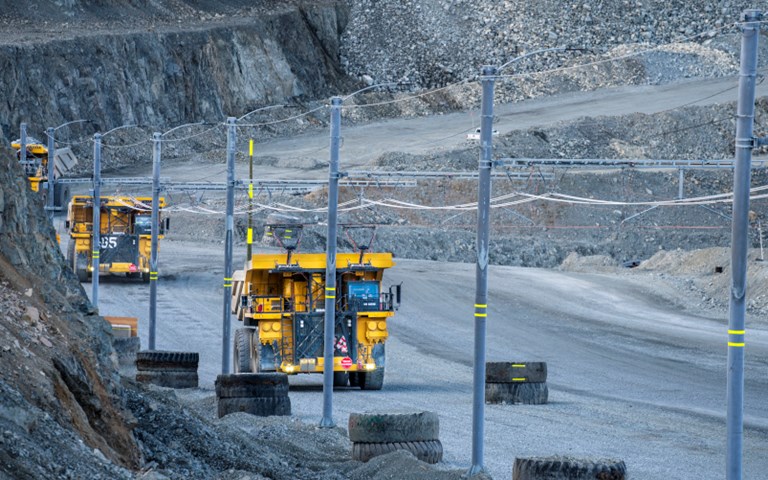
However, as the demand for copper ramps up, there are serious concerns about whether supply can keep up. Just as we’re reaching peak need, copper producers are facing growing hurdles. It’s estimated that by 2030, we could face a copper supply deficit of nearly 6 million tons, largely because current mining operations may not be able to scale fast enough to meet the green energy boom.
Why the lag? Many of the world’s major copper mines, particularly in Chile and Peru— responsible for nearly 40% of the global supply—are nearing the end of their productive life spans. On top of that, bringing new mines online can take up to two decades due to environmental and regulatory hurdles. North America itself isn’t immune to these challenges. Local copper production might be insufficient to meet the surge in demand, leaving governments and industries scrambling for alternative sources or relying heavily on recycling.
The Future of Copper: Can We Keep Up?
Recycling copper does provide some relief, and currently, around 30% of the global copper supply comes from recycled sources. But recycling alone won’t be enough. The reality is that North America and the rest of the world will need new copper mines to avoid potential bottlenecks that could slow down the adoption of renewable energy technologies.
The future of copper will dictate how fast we can transition to a more sustainable world. As governments and industries ramp up investments in green technologies, securing enough copper will be essential to avoid delays in rolling out critical infrastructure. The next decade will reveal whether we can rise to the challenge or whether copper shortages could throttle our ambitions.
Sources:
- International Copper Association, “Copper Demand and the Energy Transition,” October 2024.
- U.S. Department of Energy, “Infrastructure Investments and Clean Energy Goals,” October 2024.
- International Energy Agency, “Global Copper Supply and Demand Outlook,” October 2024.
- Mining News, “Copper Supply Chain Pressures,” October 2024.
- World Resources Institute, “The Future of Copper in Green Energy,” October 2024.