
Old-Guard Institutions: Tradition, Heritage, and Legacy
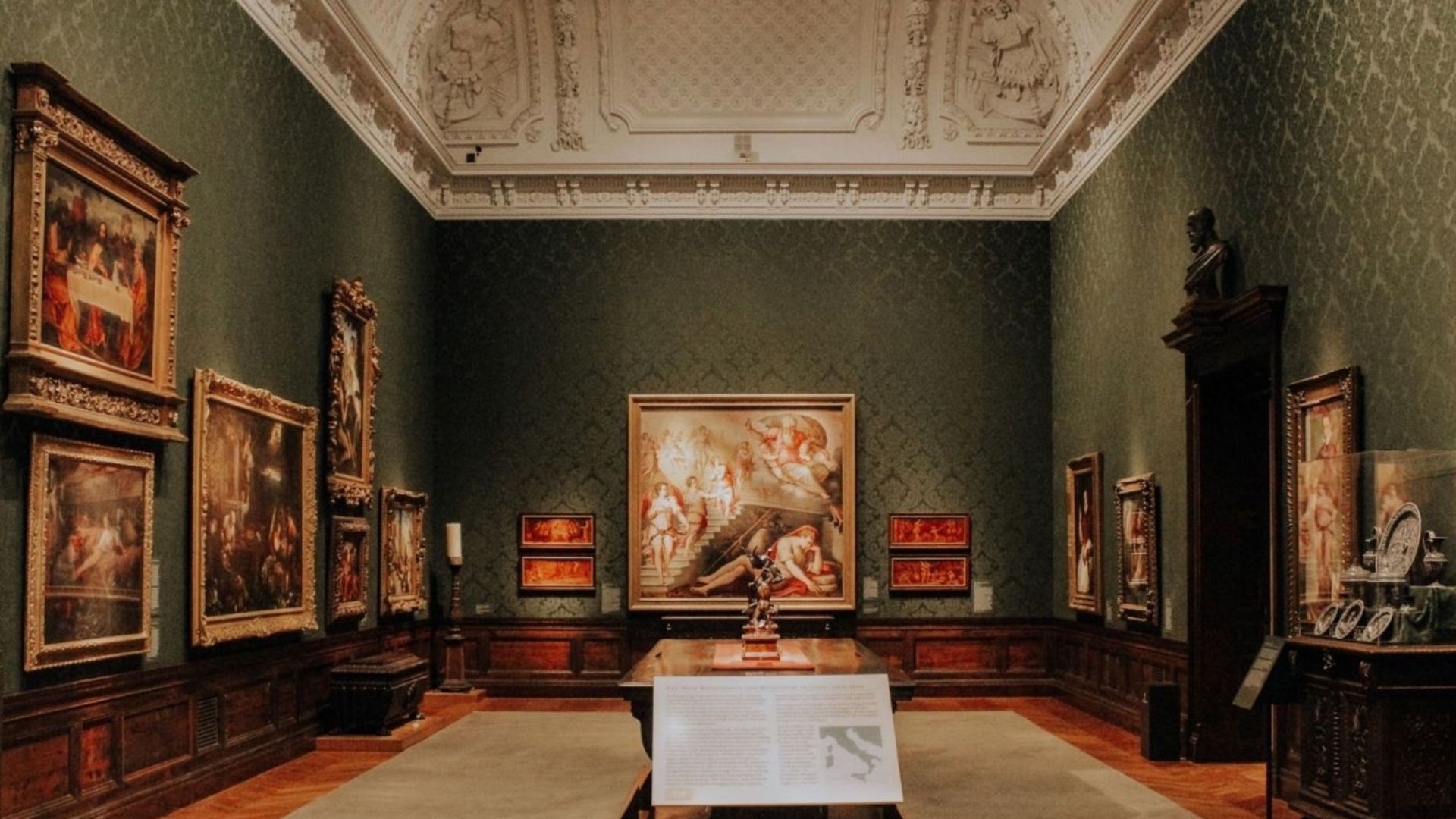
The history of exclusive clubs stretches back to the 19th century, with establishments like New York’s Union Club and San Francisco’s Pacific Union Club. These clubs were designed to be more than social settings—they were spaces where powerful men could quietly conduct business, often influencing major sectors like finance and politics. For those who gained entry, it meant being part of a legacy of influence and wealth.
Today, these old-guard clubs still hold a unique power. With strict vetting processes and a focus on heritage, gaining membership isn’t just about affluence; it’s about being connected to an established network of influential figures. These spaces act as a gateway to trust and exclusivity, where major financial decisions and strategic collaborations happen over fine dining and rounds of golf.
The Modern Private Club: Business, Tech, and the Entertainment World
In contrast to their traditional counterparts, modern private clubs cater to a different typenof wealth—one born from tech innovation, media, and entertainment. Clubs like Soho House, with locations across North America, and The Battery in San Francisco, offer a trendy, laid-back atmosphere designed for the young and ambitious. They are less about old-money status and more about fostering creativity, collaboration, and deal-making in a fast-paced world.
Within these modern spaces, business opportunities often arise from casual conversations. Entrepreneurs, tech innovators, and entertainment moguls find that these clubs provide an ideal environment to build partnerships, pitch ideas, and finance the next big venture. For the ultra-wealthy, this type of socializing becomes a strategic tool, driving success in industries built on creativity and innovation.
Social Capital and Cultural Influence
Exclusive clubs offer more than just business networking—they provide a stage for the ultra-wealthy to shape cultural trends. From fashion to media, members of these clubs become tastemakers by associating themselves with the right people and events. Hostingexclusive gatherings or supporting emerging artists positions them as cultural influencers with the power to shape public opinion and tastes.
For many, this access to cultural capital is as valuable as any financial gain. These clubs give members a platform to align themselves with cutting-edge trends, making them not just wealthy, but also highly influential in the industries they care about most.
Access as Power
Ultimately, access is what these clubs sell. For the ultra-wealthy, being part of these exclusive circles means staying ahead in business, culture, and influence. Whether it’s through an old-guard institution that commands respect or a modern club driving innovation, these spaces provide the opportunities that keep the elite connected and in control.
In a world where influence is everything, private clubs continue to be a powerful force for shaping the future of business and culture for North America’s richest individuals. Membership isn’t just about status—it’s a gateway to power and opportunity that few can afford to pass up.