
Ever wonder why billionaires drop millions on a single painting? It’s not just about aesthetics. For the super-wealthy, art is a status symbol, a financial asset, and a legacy-building tool. But do they truly understand what they’re buying? Sometimes, I look at a painting and wonder, why would anyone pay millions for this. Let’s break down the reasons behind these lavish purchases and what kind of legacy they’re aiming to create.
Art as the Ultimate Status Symbol
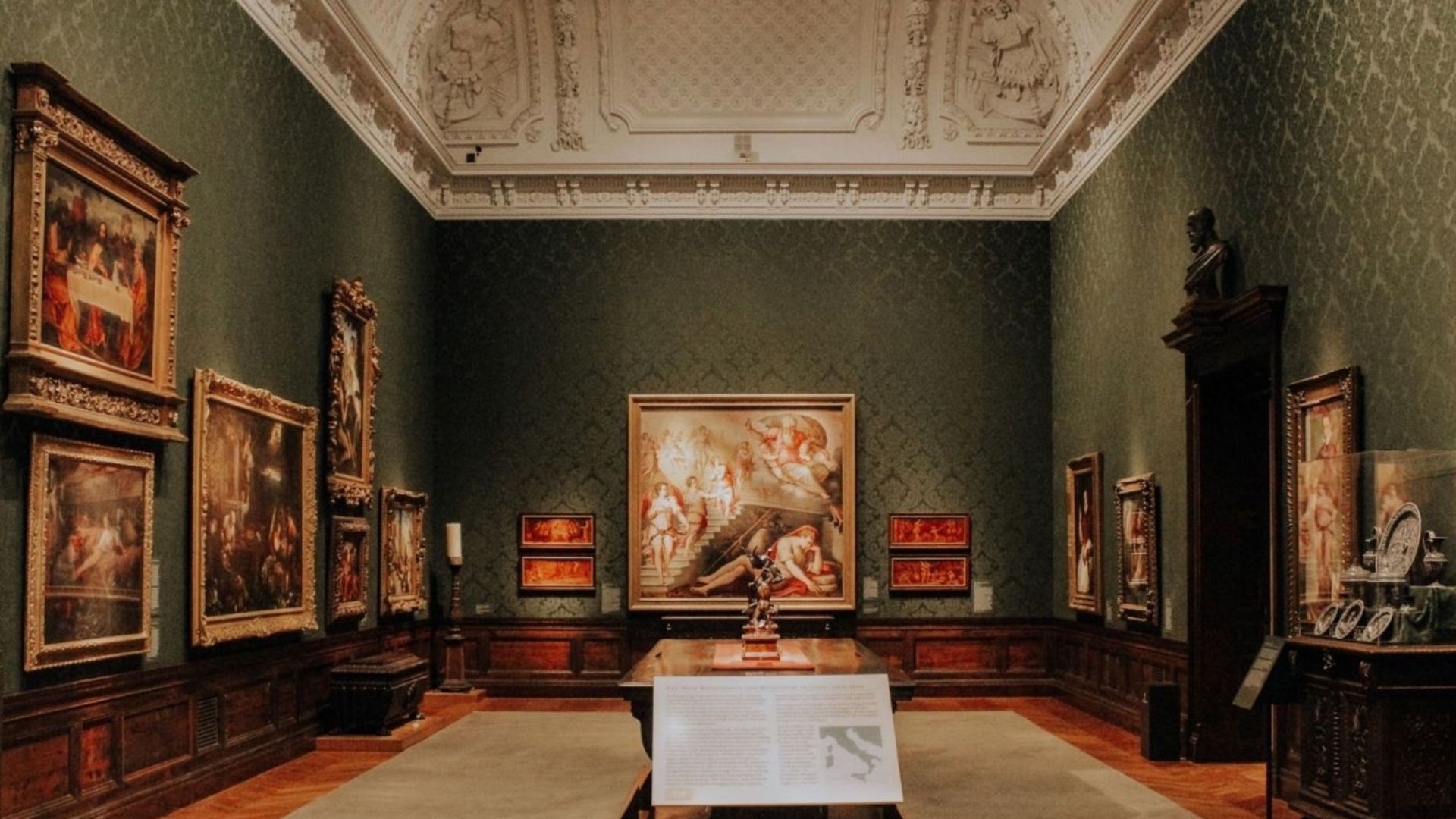
For the rich, owning a Picasso or a Van Gogh isn’t just about admiring the brushstrokes—it’s about showcasing wealth, taste, and cultural sophistication. These masterpieces often hang in their homes or private galleries, not merely as decorations but as trophies of their success. The exclusivity of owning rare art pieces turns these works into social currency that signals to the world, “I’ve made it.”
Art as a Safe Financial Haven
Art isn’t just beautiful; it’s a smart investment. Unlike the stock market or real estate, which can be volatile, high-end art has historically appreciated over time. In fact, during economic downturns, art often retains or even increases in value. For the ultra-wealthy, who can afford to lock up millions in illiquid assets, art offers emotional satisfaction and financial security. Plus, there are tax benefits—donating art to museums can provide significant deductions.
How to Choose Art That Will Appreciate
If you’re considering jumping into the art market, understanding what drives future value is key. Start by researching the artist’s market—those represented by top-tier galleries or featured in major museums tend to have more stable value. Look at the artist’s career trajectory—emerging artists with growing recognition can be high-risk but high-reward. The historical significance of a piece and its provenance (ownership history) also play crucial roles in its future value.
Why Certain Artists Command Billions
Artists like Pablo Picasso, Vincent van Gogh, and Banksy are often at the forefront when discussing high-value art. Picasso’s pieces have commanded astronomical prices, with works like “Les Femmes d’Alger (Version O)” selling for $179.4 million. His significant influence on modern art, combined with the sheer volume and variety of his work, makes his paintings highly desirable among affluent collectors.
Vincent van Gogh, despite facing hardships during his lifetime, now has his work fetching extraordinary prices—such as the $82.5 million sale of “Portrait of Dr. Gachet.” The emotional depth and the poignant story of his life have only amplified the value and demand for his art.
Banksy, the elusive street artist, has seen a meteoric rise in the art world, largely due to his cultural impact and distinctive style. His piece “Love is in the Bin” (which was originally “Girl with Balloon” before it famously self-destructed at auction) sold for $25.4 million in 2021, marking a new high for the artist. Banksy’s unique ability to fuse art with sharp social commentary has made his work a prized asset in contemporary art collections.
Creating a Lasting Legacy
For the wealthy, art is more than an investment—it’s a legacy. By amassing significant collections, they contribute to the cultural landscape and often ensure their names are remembered through museum donations or foundations. This dual role as patron and investor allows them to leave a lasting impact on the art world while securing their place in history.
Conclusion: The Multifaceted Value of Art
Investing in art blends personal passion with smart financial planning. Whether it’s the status, security, or legacy, art remains a powerful tool for the ultra-rich. For those who navigate the art market wisely, the rewards—both personal and financial—can be substantial and enduring