

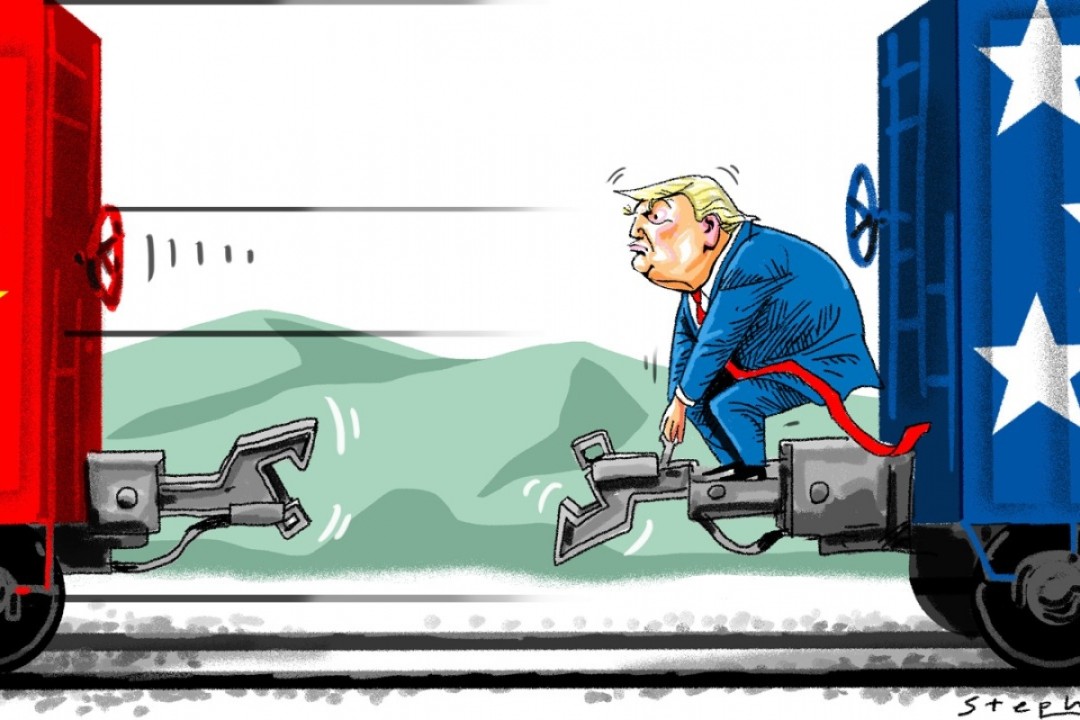
As the United States considers decoupling from China, the move sparks intense debate. Is this a strategic necessity to protect national security, or does it risk destabilizing the American economy? This question is becoming increasingly urgent as automation and artificial intelligence (AI) also transform the economic landscape, promising innovation but threatening jobs. Balancing these complex factors is crucial for America’s future.
The Strategic Rationale
Advocates of decoupling argue that reducing reliance on China, especially in critical sectors like technology, pharmaceuticals, and semiconductors, is essential to safeguard national security. The COVID-19 pandemic highlighted vulnerabilities in global supply chains, with disruptions leading to shortages of essential goods. For many, this was a wake-up call that the U.S. cannot afford to be overly dependent on a global competitor.
Proponents also point out that China’s growing geopolitical influence and technological advancements pose a challenge to U.S. dominance in key areas. By decoupling, they believe the U.S. can regain control over its supply chains, foster domestic industries, and reduce the risk of intellectual property theft and economic espionage.
The Economic Risks
However, the economic implications of decoupling are far from straightforward. China is not only a significant player in global supply chains but also one of the largest markets for American goods and services. A sudden or poorly managed decoupling could disrupt trade, increase costs for businesses, and lead to higher prices for consumers.
Moreover, retaliatory actions from China could hurt U.S. exports, impacting industries ranging from agriculture to technology. The interconnected nature of the global economy means that a move toward decoupling could have far-reaching consequences, potentially leading to economic slowdowns or even recessions.
The Automation Challenge
At the same time, automation and AI are reshaping industries across the globe. These technologies offer the promise of increased efficiency, lower production costs, and the potential for American companies to remain competitive on the global stage. However, they also bring the risk of significant job losses, particularly in sectors like manufacturing and services that are already under pressure from global competition.
As companies increasingly adopt automation to stay ahead, the demand for low-skilled labor is likely to decline, leading to potential unemployment and wage stagnation. This raises a critical issue: How can the U.S. embrace technological progress without leaving its workforce behind?
Balancing Progress and Responsibility
To address these challenges, the U.S. needs a balanced approach. Investments in retraining programs are essential to help workers transition into new roles in an economy that is increasingly driven by technology. By focusing on skills in emerging fields like AI, cybersecurity, and renewable energy, the U.S. can ensure that its workforce remains competitive.
Additionally, exploring social safety nets like Universal Basic Income (UBI) could provide a cushion for those affected by technological disruptions. While UBI is a topic of debate, it offers one potential solution to the economic challenges posed by rapid automation.
Conclusion
Decoupling from China and the rise of automation represent significant turning points for the U.S. economy. Both offer opportunities but also carry substantial risks. The key lies in finding a balance that protects national security, fosters innovation, and ensures that American workers are not left behind. The decisions made today will shape the economic future of the nation, making it essential to carefully weigh the benefits and drawbacks of each path forward.