
When you think about Canada’s natural resources, your mind probably jumps to things like oil, lumber, or maybe even maple syrup (because, Canada, right?). But there’s another unsung hero in the Canadian resource world that’s quietly making a massive impact on the global stage: potash. Yep, potash—an essential ingredient in fertilizers—is fast becoming a hot topic in global agriculture and geopolitics. And guess what? Canada is one of the world’s biggest players.
So, What Exactly Is Potash?
First, let’s break down what potash is and why it matters. Potash is a mineral high in potassium, and potassium is one of the key nutrients crops need to thrive. Along with nitrogen and phosphorus, it forms the “big three” nutrients in fertilizer that help farmers grow more food. Without it, food production would take a serious hit. And as the global population grows, demand for food is skyrocketing—so anything that helps farmers produce more crops becomes super valuable.
Now, here’s the kicker: Canada, specifically the province of Saskatchewan, is sitting on a mountain of this stuff. Over 30% of the world’s potash comes from right there. Think about that for a second—one province in Canada is responsible for more than a third of the world’s potash! In comparison, Russia and Belarus are the next big producers, but they’re in a tricky spot right now (more on that later).
Why Is Potash Suddenly a Geopolitical Hot Topic?
The short answer? Food security. It’s something that people are increasingly concerned about worldwide. With rising populations and the effects of climate change threatening food production, countries are paying a lot more attention to where their fertilizers come from.
Canada’s dominance in the potash market puts it in a strong position, especially with geopolitical issues making other suppliers less reliable. Russia and Belarus, for example, supply about 40% of the world’s potash exports. But with sanctions and trade issues due to the ongoing conflict in Ukraine, their reliability has been called into question. Enter Canada as a stable, friendly, and—most importantly—reliable supplier of potash.
Countries like India and Brazil, which have huge agricultural industries, are looking to Canada for their potash needs. In 2023, Canada exported around 20 million tonnes of the stuff, with over 95% of it going overseas. Brazil, for instance, imports nearly all of its potash, and Canada is one of its main suppliers. That’s a lot of crop-growing power being shipped out from Canada’s prairies to the world.
Climate Change: Another Reason Potash Matters More Than Ever
We’ve all been hearing about how climate change is affecting pretty much everything, and farming is no exception. Crops are facing tougher growing conditions due to more extreme weather, droughts, and changes in soil quality. That’s where potash comes in handy. It helps crops become more resilient to stress from things like heat and disease, which is essential in today’s unpredictable climate.
And as the global food supply becomes more precarious due to climate issues, ensuring we have enough fertilizer—especially potash—is critical to maintaining crop yields and keeping food on tables. Canada’s role as a key potash supplier is only going to grow as these challenges become more urgent.
The Future of Canada’s Potash Industry
With the world so dependent on fertilizers for food production, the demand for potash is expected to keep climbing. Developing countries, particularly in Asia and Africa, are ramping up their agricultural output, and they’ll need a lot more potash to do it. Global potash demand is projected to grow by about 2.5% each year, driven mainly by these emerging markets.
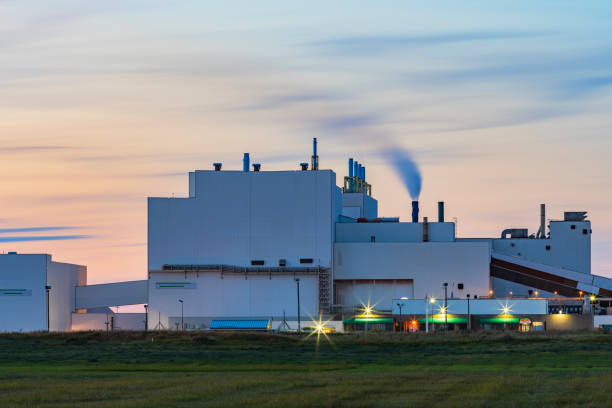
But with great power comes great responsibility (thanks, Spider-Man). Canada has to be careful to balance its booming exports with environmental concerns. Potash mining uses a lot of water and energy, so there’s a need to innovate and find more sustainable ways to meet the growing demand. Saskatchewan’s mines are some of the most efficient in the world, but they still have a long way to go to ensure they’re not leaving a heavy footprint on the planet.
Why Should You Care?
Look, potash might not be as flashy as oil or tech, but it’s an essential piece of the global food puzzle. Without it, crops wouldn’t grow nearly as well, and food prices could skyrocket. Canada’s potash industry plays a quiet but powerful role in helping to keep food affordable and available, not just for us but for millions of people around the world.
And with the way the world is changing—climate, politics, and population growth—it’s becoming more and more clear that potash is a resource we can’t afford to overlook. Canada, with its massive supply and stable political environment, is well-positioned to lead the way. Whether we’re talking about helping feed people in developing nations or keeping our own grocery prices stable, Canada’s potash matters. A lot. Sources:
- Fertilizer Canada – Potash: Key to Canada’s Agricultural Strength
- Government of Saskatchewan – Potash Sector Overview
- International Fertilizer Association – Global Potash Market Trends 2023
- Bloomberg – Impact of Russian Sanctions on Potash Exports