

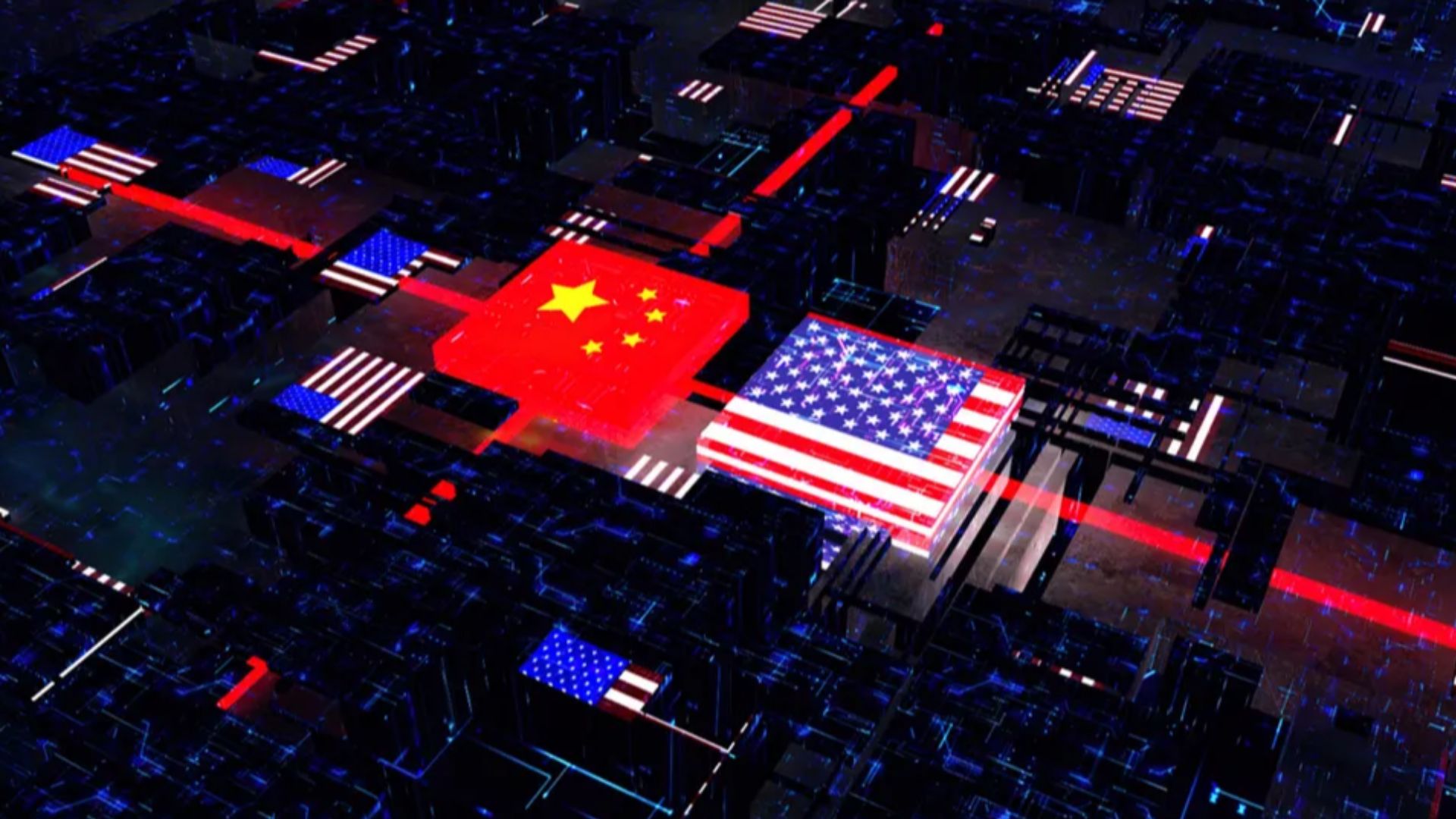
The escalating rivalry between the United States and China has sparked widespread debate on whether the world is witnessing the dawn of a new Cold War or if there remains potential for strategic cooperation between these two superpowers. The implications of this dynamic are profound, influencing global trade, technology, and stability in ways that will shape the international order for decades to come.
Historical Context
The Cold War between the United States and the Soviet Union, which lasted from 1947 to 1991, was characterized by ideological conflict, arms races, and proxy wars. The current U.S.-China tensions, while reminiscent of this period, differ in several key aspects. Unlike the Cold War, where military confrontation was a constant threat, the U.S. and China are economically intertwined in a way the U.S. and USSR never were. In 2023, bilateral trade between the U.S. and China amounted to over $700 billion, underscoring the mutual dependency that complicates any move toward outright hostility.
Economic Rivalry and Cooperation
Trade and technology are at the forefront of the U.S.-China rivalry. The U.S. has imposed tariffs and sanctions on Chinese companies, citing concerns over intellectual property theft and national security. China, in response, has doubled down on its “Made in China 2025” initiative, seeking to reduce reliance on foreign technology. The global semiconductor industry, for example, has become a battleground, with the U.S. restricting exports of advanced chips to China, while Beijing accelerates efforts to achieve self-sufficiency in critical technologies.
However, the economic interdependence between the two nations presents opportunities for cooperation. Both countries have a vested interest in maintaining stable supply chains, particularly in sectors like pharmaceuticals and renewable energy. The COVID-19 pandemic highlighted the vulnerabilities in global supply chains, prompting discussions on reshoring and diversification. Yet, complete decoupling remains unlikely, as both nations recognize the economic costs involved.
Technological Advancements and Strategic Interests
Technological competition is perhaps the most critical aspect of the U.S.-China rivalry. The race to dominate emerging technologies like artificial intelligence, quantum computing, and 5G networks has far-reaching implications for global power dynamics. The U.S. sees China’s technological advancements as a direct threat to its global leadership, leading to efforts to curb Chinese access to cutting-edge technology.
Despite this, there are areas where cooperation could be mutually beneficial. Climate change is one such domain where the U.S. and China have a shared interest in developing and deploying green technologies. Both nations are the world’s largest carbon emitters, and their collaboration is crucial to meeting global climate goals. In 2021, the U.S. and China announced a joint declaration to tackle climate change, signaling that strategic cooperation is still possible, even amid rivalry.
Global Stability and Future Prospects
The U.S.-China rivalry has significant implications for global stability. The South China Sea, Taiwan, and cybersecurity are potential flashpoints that could escalate tensions. However, unlike the Cold War, the current situation lacks the rigid ideological divide that once defined global alliances.
Countries in Asia, Europe, and beyond are more likely to seek a balanced approach, engaging with both the U.S. and China to safeguard their interests.
The future of U.S.-China relations remains uncertain. While the risk of a new Cold War looms large, the deeply intertwined nature of their economies and the global challenges they face offer pathways to strategic cooperation. Whether the two nations can navigate this complex relationship without descending into conflict will determine the trajectory of the 21st century.
In conclusion, the U.S.-China rivalry is at a crossroads. It could either lead to a destabilizing Cold War 2.0 or evolve into a competitive yet cooperative relationship that addresses global challenges. The choices made by Washington and Beijing in the coming years will shape the global order, impacting not just their own citizens but the entire world.